Provincial French Customs Shaping Strategy Resources for Baccarat Variants in Online Settings
Jonas Frank · Oct 7, 2026
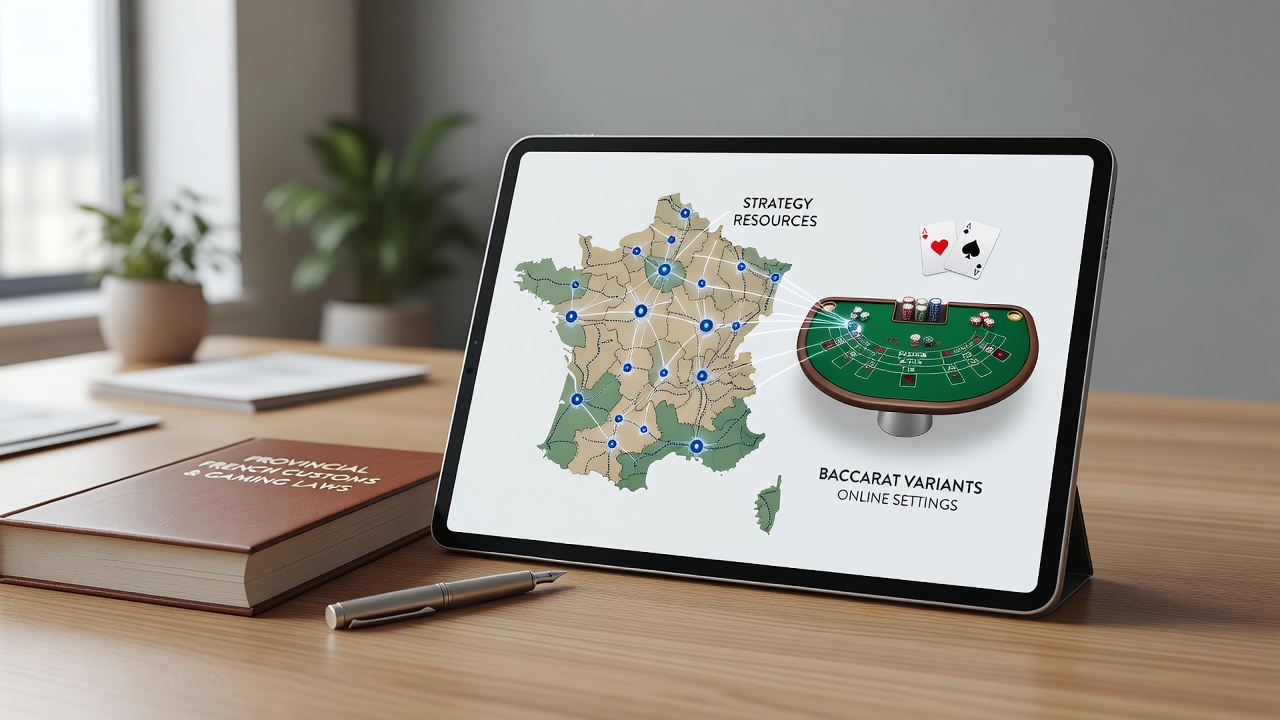
Provincial French Customs Shaping Strategy Resources for Baccarat Variants in Online Settings
Provincial French customs have long influenced how baccarat variants develop their core mechanics and how players access strategy resources in online platforms, with regional practices from areas such as Normandy, Provence, and Alsace contributing distinct approaches to betting patterns and table etiquette that carry over into digital formats. These customs include specific ways of handling card draws during Chemin de Fer sessions in northern provinces, where players historically emphasized collective decision-making, and this tradition now appears in online tools that provide shared decision prompts for participants across multiple servers. Data from European gaming regulators shows that such adaptations help maintain continuity between physical and virtual play while supporting variant-specific resources like probability charts tailored to regional preferences. Observers note that in southern provinces like Provence, customs around rapid-paced Punto Banco games led to simplified tracking methods that online operators later incorporated into mobile apps and strategy databases. These resources often feature color-coded interfaces that reflect local color symbolism from Provençal festivals, allowing users to cross-reference historical betting sequences with current algorithmic outputs. Research indicates that players who engage with these customized materials demonstrate improved familiarity with variant rules across different time zones and server configurations.Regional Traditions and Their Digital Translation
Customs from Alsace have shaped resource libraries for Baccarat Banque variants because historical records from that border region document unique side-bet structures tied to harvest cycles, and online platforms now replicate those structures through seasonal promotions that update strategy calculators every quarter. Analysts at the European Commission have tracked how these periodic adjustments align with broader data protection standards, ensuring that player behavior logs remain anonymized while still feeding into pattern recognition modules used by variant developers.
Normandy's emphasis on deliberate pacing during live sessions translates into online settings through built-in timers and reflection prompts within strategy resources, which guide users toward measured wagers rather than impulsive ones. Figures from the Malta Gaming Authority reveal that platforms adopting these timers report higher retention rates for users exploring multiple baccarat variants, particularly when resources include interactive maps linking Norman customs to specific rule tweaks in digital Chemin de Fer.

Resource Development and Variant Adaptations
Strategy resources for online baccarat variants continue to evolve as developers integrate provincial customs into algorithmic frameworks, such as embedding Alsatian harvest-linked bet multipliers into random number generators that power virtual tables. This integration allows players to access downloadable guides that reference both historical customs and real-time variance calculations, creating a bridge between traditional practices and contemporary data streams. Studies conducted by the University of Melbourne's gambling research unit highlight how such hybrid resources improve user comprehension of odds across Punto Banco and Banque formats when presented in layered formats that users can toggle between regional and standard views.
Provincial influences also appear in community forums tied to online operators, where participants share annotated strategy sheets drawn from French regional archives, and these documents often receive updates to reflect regulatory changes scheduled for October 2026 under expanded EU digital gaming directives. The directives aim to standardize data analytics practices while preserving space for localized content that reflects customs from different French provinces, thereby supporting variant diversity without fragmenting player bases across servers.
Analytics Integration and Future Outlook
Online platforms leverage analytics drawn from provincial customs to refine strategy resources, for instance by analyzing historical draw frequencies from Provence tables and applying them to predictive models that forecast outcomes in live dealer environments. Those models frequently incorporate inputs from Canadian regulatory frameworks on responsible gaming, which emphasize transparent resource design, and this cross-regional approach helps operators maintain compliance while delivering variant-specific guidance. Evidence suggests that players utilizing these integrated tools encounter fewer discrepancies between expected and actual results when switching between baccarat variants during extended sessions.
By October 2026, updates to cross-border data sharing protocols are expected to further embed provincial French elements into strategy resources, particularly for variants that blend elements of multiple regional customs into single interfaces. Industry reports from the Asia-Pacific Gaming Association indicate that such blending supports broader accessibility for international audiences seeking authentic connections to French gaming heritage through digital means.
Conclusion
Provincial French customs continue to inform the structure and content of strategy resources available for baccarat variants in online settings, with regional practices from Normandy, Provence, and Alsace providing foundational elements that operators adapt through data-driven tools and regulatory alignment. These adaptations maintain factual continuity between historical play styles and modern digital implementations while supporting variant exploration across global user bases.